
First Responder Counseling in Mississippi | Salt & Light Counseling
When the Job Comes Home, You Don't Have to Navigate It Alone.
Counseling for first responders, frontline professionals, and the spouses and families who love them.
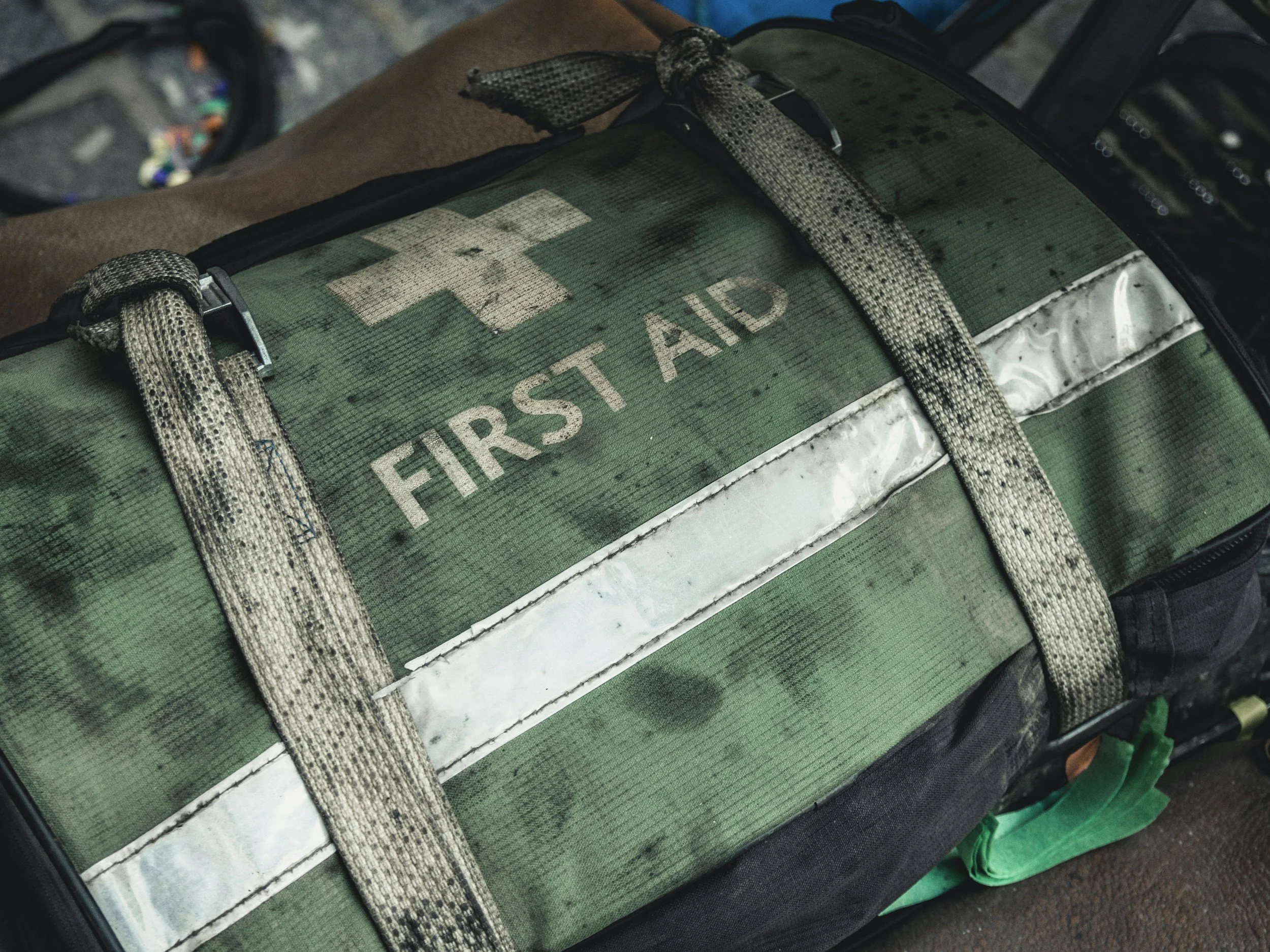
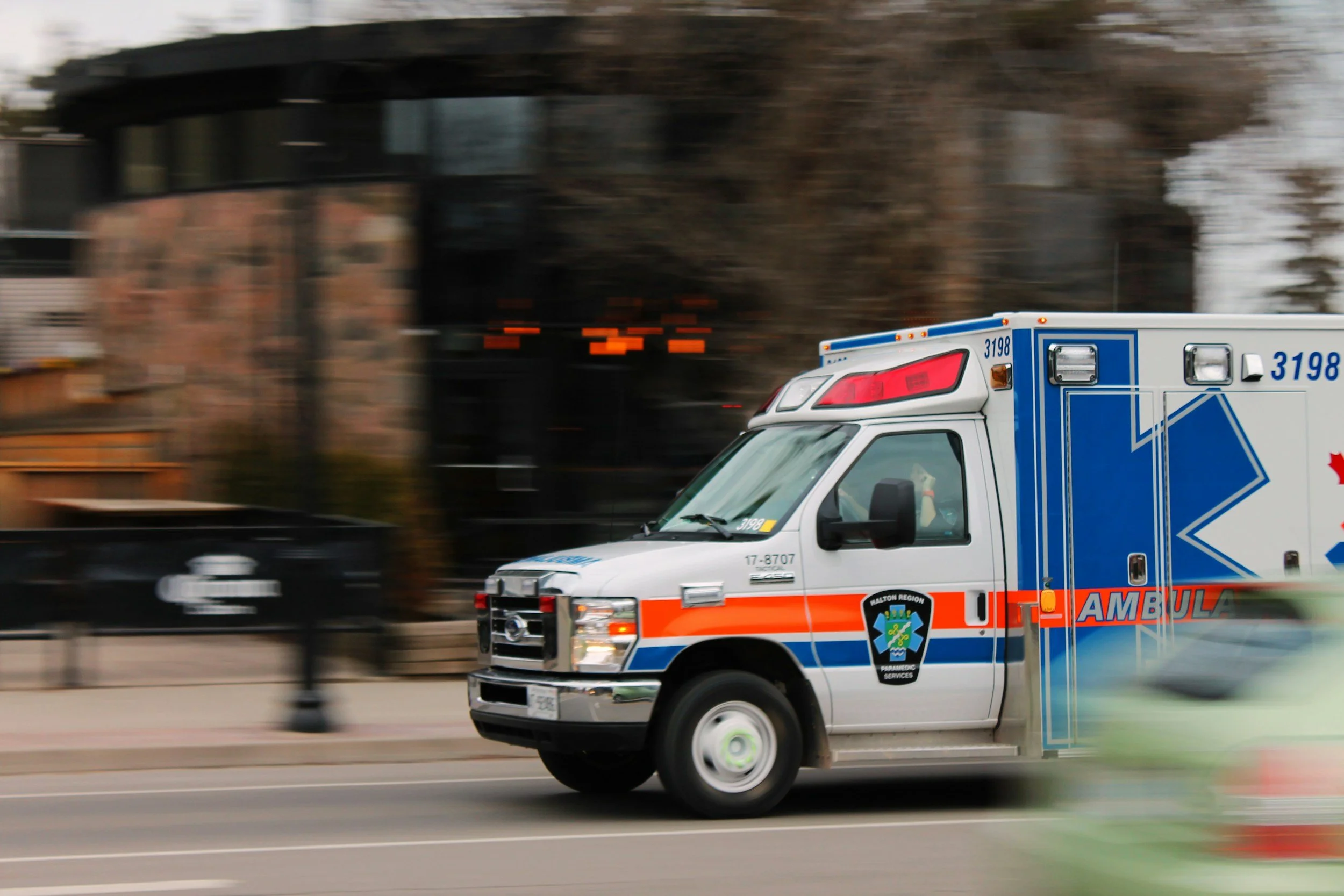
First responders carry experiences most people will never understand. Over time, repeated exposure to trauma, loss, danger, and critical incidents can affect more than the person wearing the uniform—it can affect marriages, parenting, friendships, sleep, emotional health, and the entire family.
At Salt & Light Counseling, we provide clinically driven, faith-informed counseling for first responders and the people who love them.

Serving clients throughout Desoto County, North Mississippi, and the Mid-South at our office in Southaven, and clients across Mississippi and Tennessee via telehealth.
You Don't Have to Be in Crisis to Ask for Help.
First responder culture often emphasizes strength, resilience, and pushing through.
But sometimes "I'm fine" starts to look like:
"I don't sleep well anymore."
"I can't turn my brain off."
"I'd rather be alone."
"I'm always on edge."
"My spouse says I've changed."
"I don't want to talk about what happened."
"I'm angry all the time."
"I don't feel much of anything anymore."
"Home doesn't feel relaxing."
"My marriage isn't what it used to be."
"I don't know how to explain what I'm feeling."
You don't need to wait until things fall apart to get support.
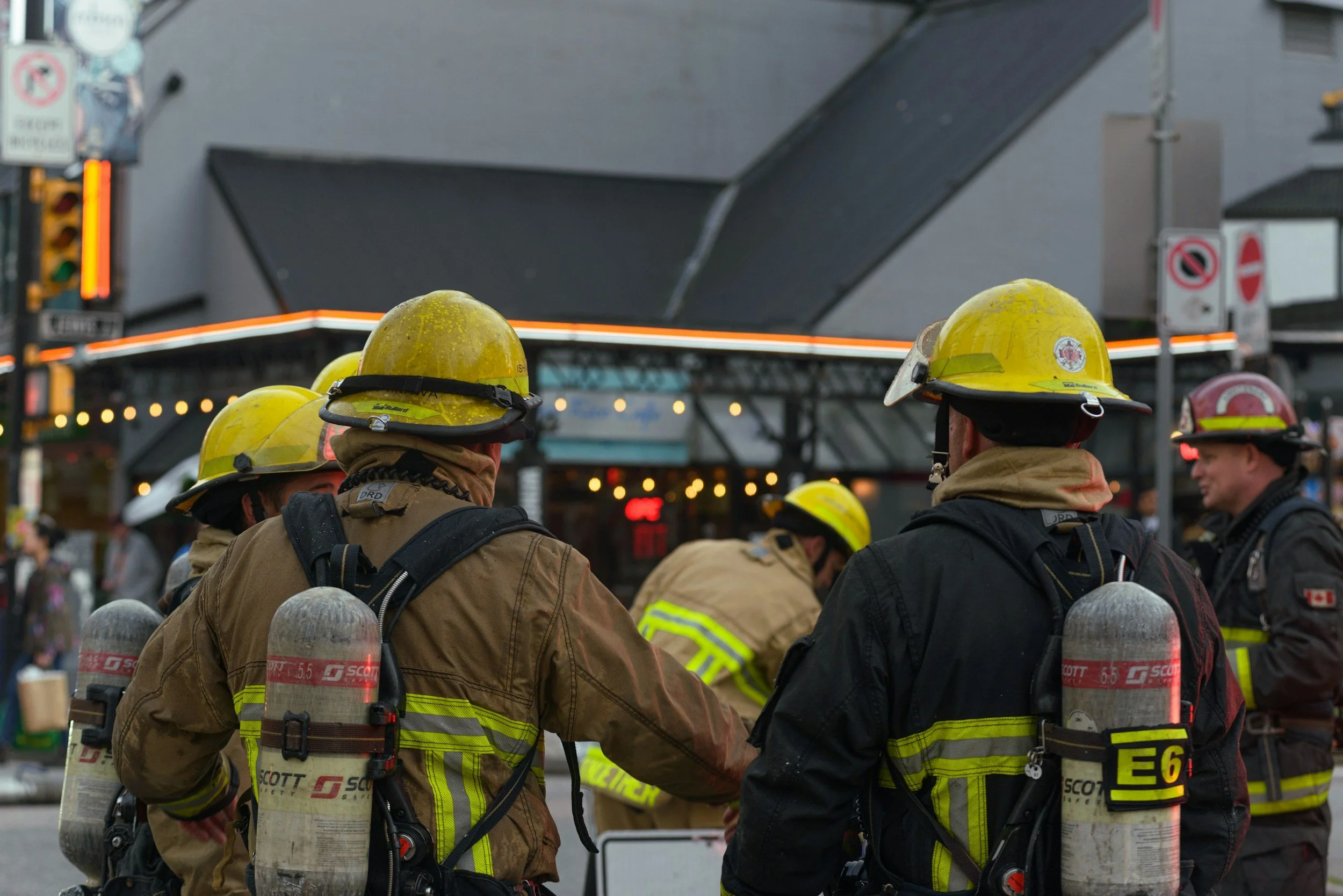
Counseling and therapy for those who carry the weight of the job
Firefighters
Repeated exposure to emergencies, injury, death, loss, and high-risk situations can accumulate over time.
Law Enforcement
Police officers may navigate hyper-vigilance, stress, anger, trauma exposure, relationship challenges, and difficulty transitioning from work to home.
EMS & Paramedics
Medical emergencies, traumatic injuries, death, and high-pressure decisions can take an emotional toll.
Dispatchers & 911 Professionals
Being exposed to crisis through a phone or radio can still have a profound psychological impact.
First Responder Spouses
The effects of the job don't always stop with the person wearing the uniform. Spouses may experience loneliness, worry, emotional disconnection, and secondary stress.
Healthcare Workers
Healthcare workers often experience repeated exposure to illness, trauma, death, and high-pressure situations. Counseling can help with burnout, compassion fatigue, anxiety, grief, trauma, relationship challenges, and the difficulty of separating work from home.
Military & Veterans
Military service can have lasting effects on emotional health, relationships, and family life. Counseling can support service members and veterans navigating trauma, anxiety, depression, grief, career transitions, reintegration, and the challenges of life after service.
First Responder Families
When occupational stress begins affecting parenting, communication, family routines, or relationships, the entire family may need support.

Common Reasons First Responders Seek Counseling
Trauma & PTSD
Processing traumatic experiences and reducing the impact they continue to have.
Anxiety & Hypervigilance
Learning to regulate an overactive nervous system and manage persistent worry or alertness.
Anger & Irritability
Understanding what is underneath anger and developing healthier ways to respond.
Depression & Emotional Numbness
Addressing withdrawal, hopelessness, loss of interest, or feeling disconnected.
Sleep Problems
Exploring the emotional and behavioral factors contributing to difficulty sleeping.
Grief & Loss
Processing the loss of patients, coworkers, friends, family members, or others encountered through the work.
Marriage & Relationship Problems
Rebuilding communication, emotional connection, trust, and intimacy.
Substance Use
Getting support when alcohol or other substances have become a primary coping mechanism.
Burnout
Recognizing when chronic stress and occupational demands have begun affecting emotional health and relationships.
Career Transition
Adjusting to retirement, leaving the field, changing roles, or life after the uniform.
The First Responder Isn't the Only Person Affected

Spouses Carry a Different Kind of Weight.
Maybe you've learned to recognize the sound of the front door.
Maybe you know whether your spouse needs space before they say anything.
Maybe you have learned not to ask about work.
Maybe you feel like you're constantly trying to keep the peace.
Maybe you're exhausted from worrying.
Maybe you miss the person your spouse used to be.
Maybe you feel guilty for saying that.
You can love your spouse deeply and still need support yourself.
Counseling can help spouses learn to:
Support without rescuing
Listen without absorbing
Set healthy boundaries
Communicate during difficult seasons
Recognize changes in their spouse
Protect the emotional health of their children
Care for themselves without guilt
Know when professional intervention may be appropriate
Trauma Therapy Intensives for First Responders
When Weekly Therapy Doesn't Feel Like Enough
For some first responders, years of cumulative trauma—or a particularly difficult critical incident—can create challenges that feel difficult to address in a traditional once-a-week therapy schedule.
Trauma intensives provide an opportunity to step away from the demands of everyday life and dedicate focused time to your mental and emotional health.
At Salt & Light Counseling, intensive therapy can provide concentrated support for individuals who are carrying significant trauma, experiencing persistent symptoms, or wanting to make meaningful progress in a shorter period of time.
What Can a Trauma Intensive Address?
Depending on your individual needs and treatment plan, an intensive may focus on:
Critical incident trauma
Cumulative occupational trauma
PTSD symptoms
Hypervigilance and anxiety
Grief and traumatic loss
Emotional numbness or withdrawal
Anger and irritability
Intrusive memories or nightmares
Avoidance
Relationship difficulties related to trauma
Substance use and unhealthy coping
Difficult career transitions
Trauma that has affected your marriage or family
Why Consider an Intensive?
First responders often work schedules that make traditional weekly therapy difficult. An intensive can provide dedicated time and space to focus on specific goals without waiting a week between sessions.
An intensive may be particularly helpful if:
You've experienced a recent critical incident.
You feel stuck in your recovery.
Trauma is significantly affecting your marriage or family.
You have years of experiences you've never had an opportunity to process.
You are struggling to make time for consistent weekly appointments.
You want concentrated support during a significant transition.
Individual Trauma Intensives
Salt & Light Counseling offers 1-, 2-, and 3-day individual intensives, allowing treatment to be structured around your needs and goals.
Rather than trying to fit meaningful trauma work into a traditional weekly schedule, an intensive creates a dedicated block of time for focused therapeutic work.
Your therapist will help determine whether an intensive is appropriate for you and what format best fits your needs.
Trauma Doesn't Have to Define the Rest of Your Story.
Seeking therapy doesn't mean you're weak, broken, or unable to handle the job.
It means you're choosing to take seriously the experiences you've carried—and the impact they may be having on your life, your relationships, and the people you love.
Need help choosing a therapist? Fill out this form to help us figure out who to connect you with.
If you prefer to call or text, just reach out to us at 662-856-9563.